Multicultural funeral services

We provide culturally respectful funeral services that honour your loved one’s beliefs, traditions and heritage with care and understanding.


At George Hartnett Metropolitan Funerals, we want everyone in the community to feel supported when they need it most.

We offer a range of multicultural funeral services to give everyone the opportunity to say goodbye in a way that reflects their beliefs, values, religion and heritage.

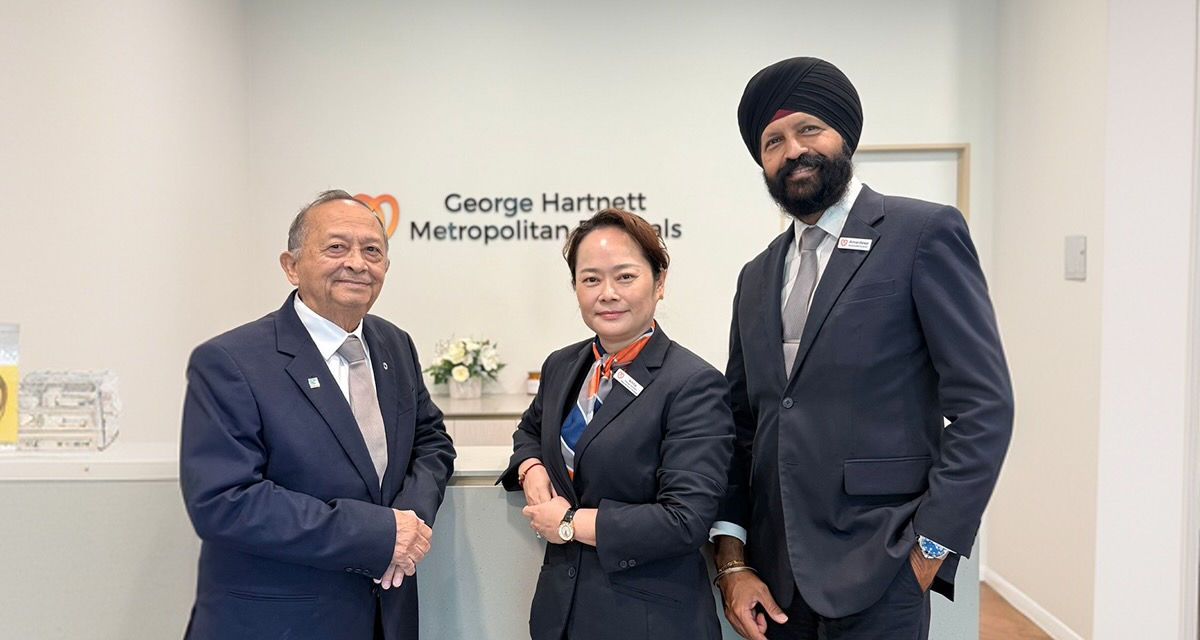
To ensure we show respect and dignity in everything we do, we bring together a diverse team that introduces a wealth of experience, knowledge and understanding to our services. This allows us to care for loved ones from many different cultures, including Chinese, South East Asian, Pacific Islander, European,  Hindu, Sikh, Baha’I, Buddhist and many others. The multicultural heritage of our team also means we can often facilitate services in multiple languages or offer translation assistance throughout the planning process. 

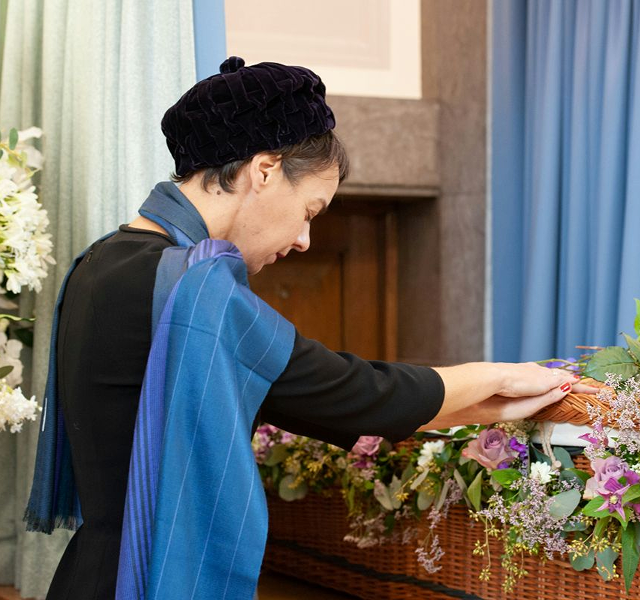
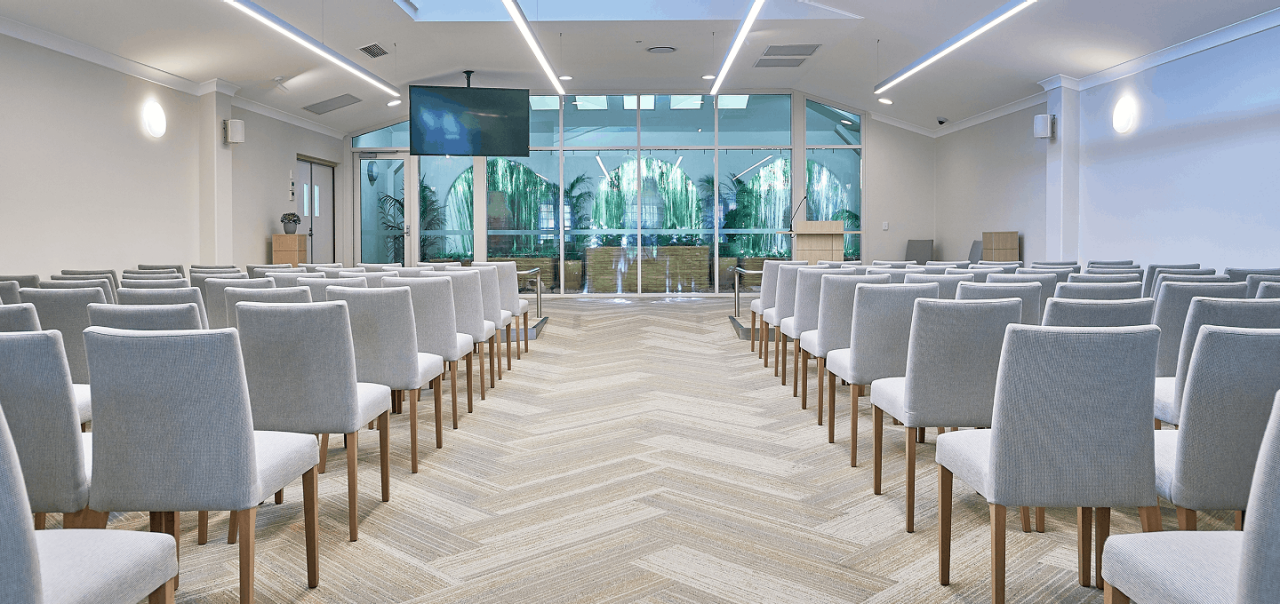
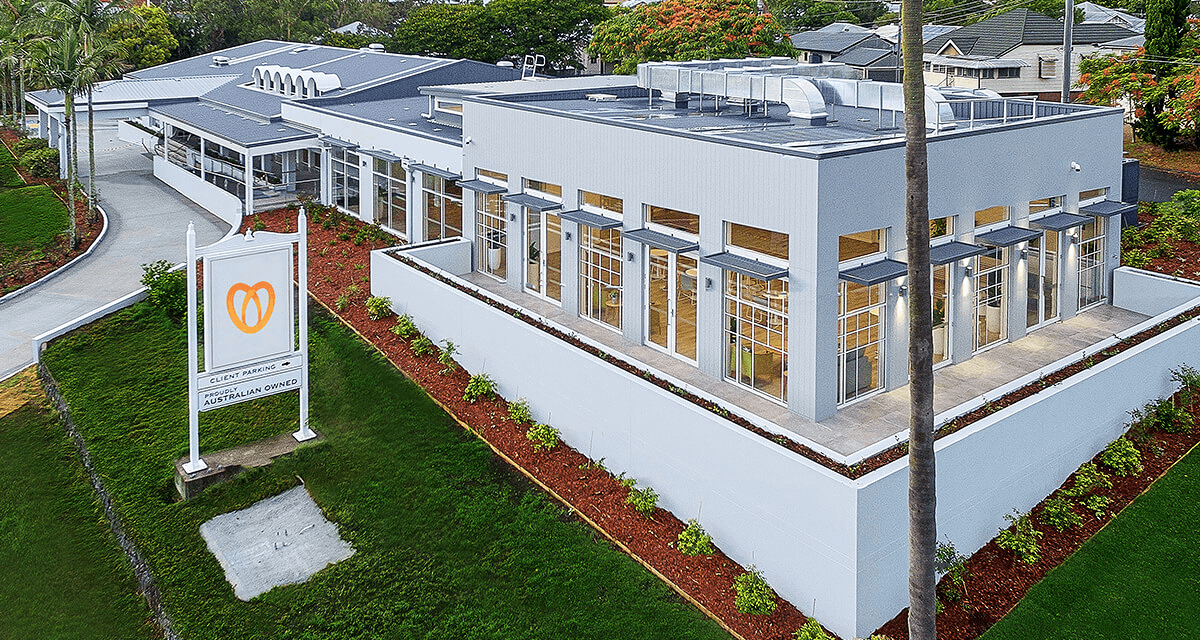
Having our own beautiful chapels and facilities gives us the flexibility to design our services around our clients' unique religious beliefs and cultural practices. The live streaming capabilities of these sites also allow family and friends from across the globe to come together, even when they can't be together in person.

To help our community say goodbye in a place that reflects the wishes and beliefs of their loved one, George Hartnett Metropolitan Funerals  can also arrange for the deceased to be moved interstate or overseas to be laid to rest. We work closely with a vast network of funeral directors around the globe to ensure a streamlined and stress-free process for everyone involved. 

sikh funeral

Sikh

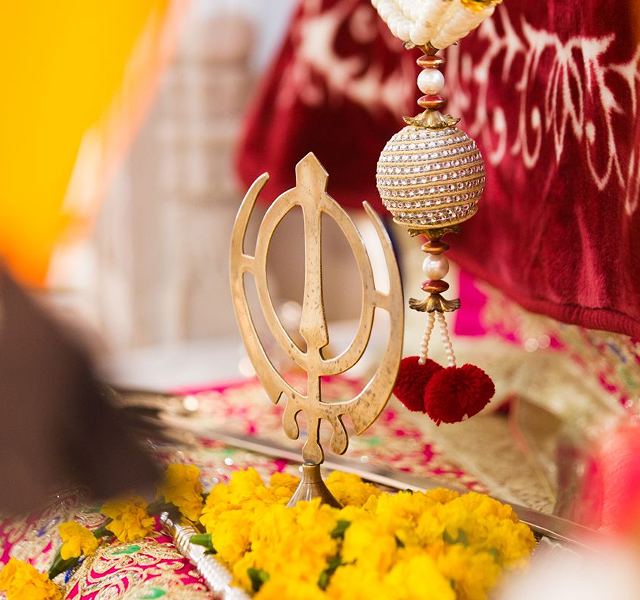
  • The process known as Antam Sanskar (the final rite of passage), begins with the preparation of the body, including bathing and dressed in clean, new clothes. 
  • All articles of faith (The Five K’s – Kesh (uncut hair), Kanga (wooden comb), Kara (steel bracelet), Kirpan (small dagger) and Kachera (cotton shorts) which the person would have worn during his or her life as an initiated Sikh, should not be removed or taken off nor the hair cut or removed from any part of the body.  
  • Cremation is the preferred method for the disposal of the body, although burial is only acceptable if cremation is impossible due to local laws or circumstances.
  • The funeral is intended to be a solemn occasion focused on remembering the person and accepting God’s will, not a time for excessive mourning.
  • Prior to the cremation, a brief service may be held at home or the gurdwara (Sikh temple), where prayers and hymns are recited from the Guru Granth Sahib (the Sikh holy scripture).  
  • The ashes must not kept at home or in any containers. After the cremation, the ashes of the loved ones are collected and scattered in flowing water, such as a river or the sea.
  • Sikhs will always cover their heads at a funeral service as a mark of respect.
hindu funeral

Hindu

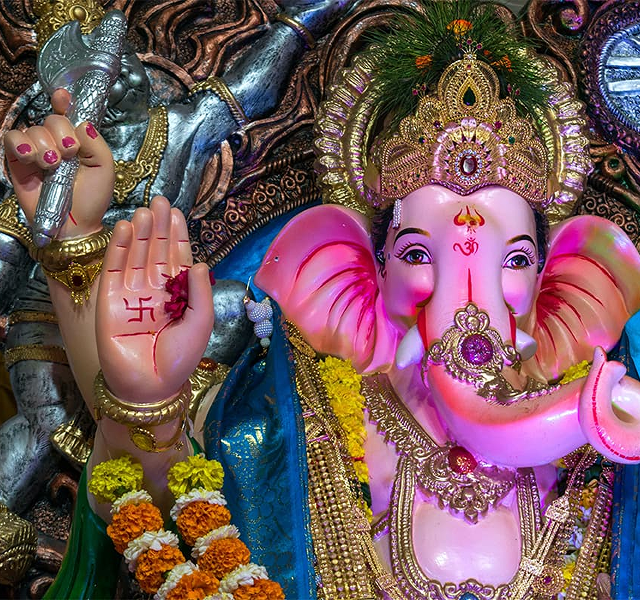
A funeral service is sacred in Hinduism as it represents the completion of a stage in a life. Although it is a sad occasion, the funeral is seen as a celebration and a time to remember the deceased. 

Cremation is often preferred in the Hindu culture, as the burning of a dead body signifies the release of the spirit and the flames represent the creator, Brahma. However, some families prefer to celebrate their loved ones with a burial. In these cases, we can arrange for an open casket and viewings.

baha'i funeral

Baha'i

The Baha’i customs and rituals for funerals are deeply rooted in the teachings of Bahá'u'lláh.

Some key points to consider:

  • The body should not be moved more than one hour’s journey from the place of death to the place of burial
  • The body of the deceased is washed and scented with rosewater, a practice that reflects the Baha’i belief in the sanctity of life and the importance of compassion.
  • A special Baha’i burial ring is placed on the forefinger of the deceased, symbolising their connection to the faith.
  • The body is wrapped in silk or cotton and placed in a stone, hard fine wood or crystal casket. The funeral service is typically closed casket.
  • The service is usually held within two or three days following the death, and the only mandatory part of the service is the recitation of the Prayer for the Dead.
buddhist funeral

Buddhist services

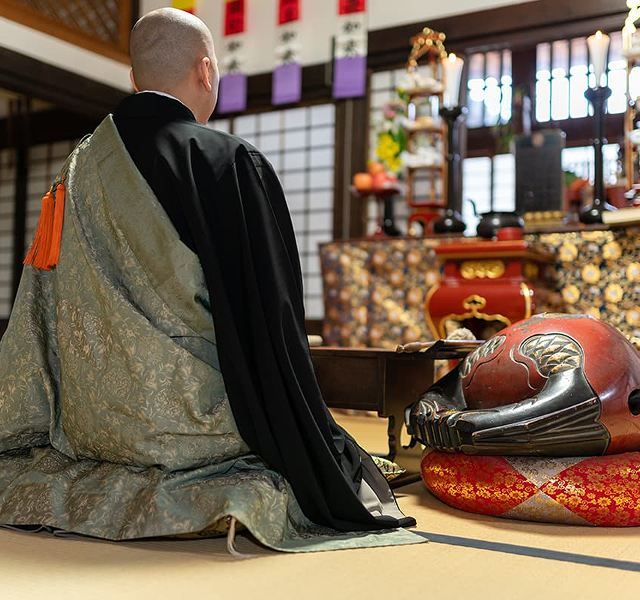
In Buddhism, death is a major religious event as it marks a transition into the next life. Buddhism allows individuals to choose between a cremation or burial, and the George Hartnett Metropolitan Funerals team offers the resources and support for loved ones to come to a decision that feels right for them. 

Our team has connections with Buddhist temples and groups to ensure the proper prayers and ritualistic offerings are made. These contacts also allow us to put our clients in touch with Buddhist monks that can conduct the service or offer additional support.

jewish funeral

Jewish

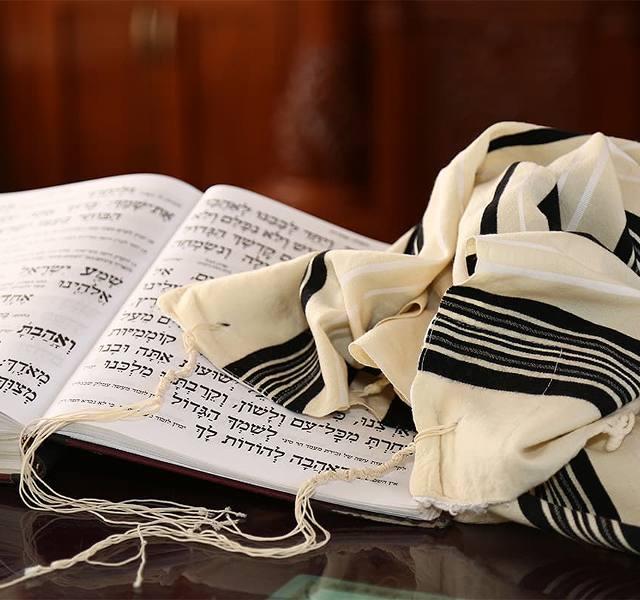
Jewish funeral services usually take place either the same day or the day after a death, with delays only ever under certain circumstances. 

The George Hartnett Metropolitan Funerals team is well connected with local Rabbis and Synagogues, which gives our clients the option of using these sites to host the funeral service. Our funeral directors also work alongside culturally appropriate local cemeteries where the Kavod Ha-Met can be held and can help organise a Nichum Aveilim event during the period of Shiva.

muslim funeral

Muslim

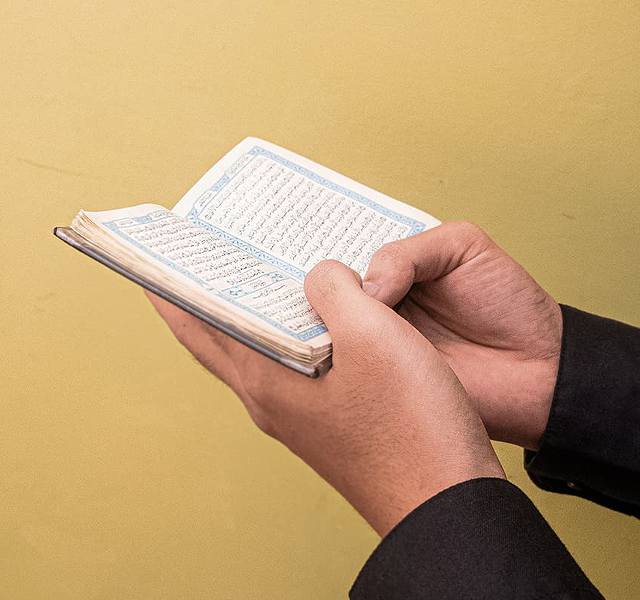
The burial of a Muslim occurs as soon as possible, usually within a day of the death. Cremation is usually forbidden. 

The burial occurs after the following rituals:

  • The bathing and shrouding the body
  • A viewing
  • Salah (prayer)
  • The body is laid in the grave so that the head is facing the Qibla (Mecca).
non-religious coffin

Non-religious

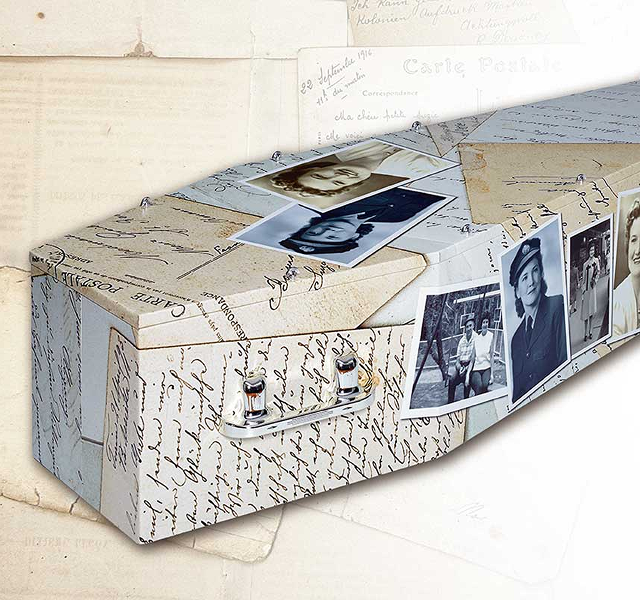
A non-religious funeral service is one that does not follow the funeral service style of any particular faith. It is usually led by a celebrant in a non-religious chapel but can also be held in places of personal significance such as the beach, in a park or at the family home.

The service itself will usually include:

  • A welcoming 
  • Musical tributes 
  • One or more eulogies 
  • Readings 
  • Video or photo presentations 
  • The farewell


There are many opportunities to personalise a non-religious funeral service. Many families like to have a video or photo display and printed booklets, while some also choose to use a personalised coffin from LifeArt.

pasifika coffin

Pasifika

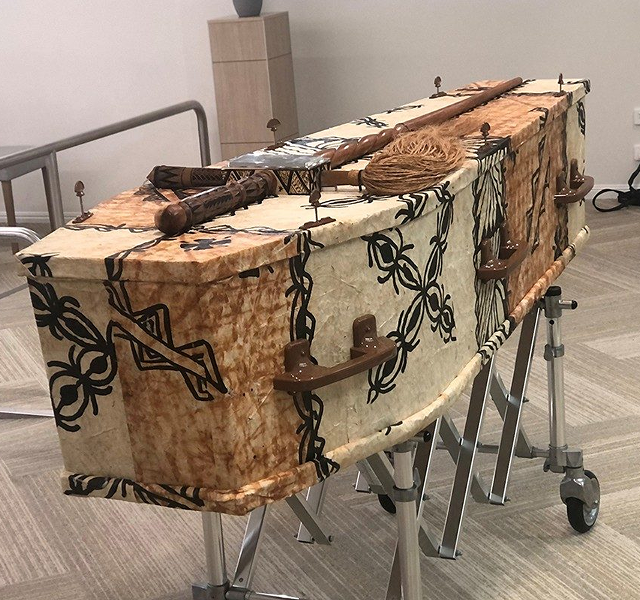
At George Hartnett Metropolitan Funerals we understand that family, religion, and cultural customs are very important to our Pasifika families. Our funeral directors have years of experience in catering to the unique funeral customs of Tongan, Samoan, Maori, Cook Island, Tokelauan, and Fijian families. They will work with you to ensure that all the details are taken care of so that you can honor the life of your loved one.

From the moment you call, your loved one is taken into our care and kept safe within our own state of the art facilities. We understand that at times having your loved one at home with you is important and our dedicated funeral staff can arrange this quickly and efficiently. We then work with you to make sure your loved one is safely transported to all the necessary viewings, from your chosen Church, your home, or another location of your choice. 

We will guide you every step of the way by liaising with your preferred church, helping you select flowers, assisting with eulogies and any other funeral requirements you may have.

For information on burial and cremation options, we will provide a warm handover to our experienced Family Service Managers.
catholic funeral

Catholic

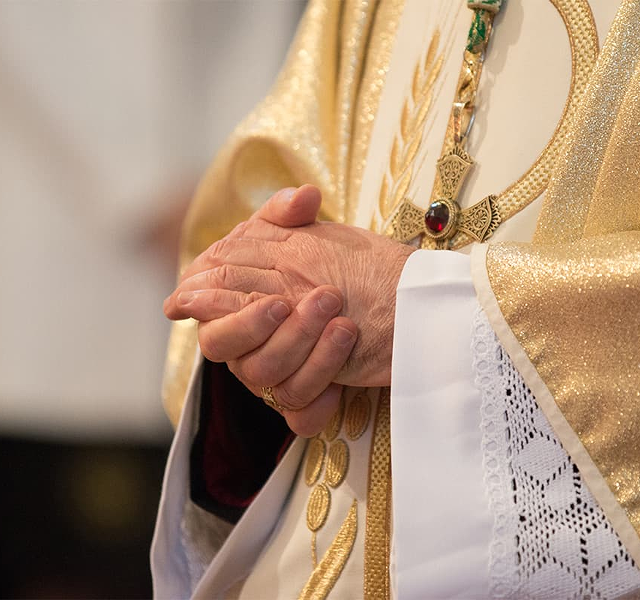
Our strong connections with local Catholic parishes and clergy have helped the George Hartnett Metropolitan Funerals team conduct funeral services that reflect the culture and beliefs of Catholic families across Australia. 

These relationships allow our team to arrange for a minister to conduct the service, bless the coffin with Holy water and incense, say Mass, attend the rite of committal at the burial site and conduct the Mass of Christian Burial and family vigil respectfully and traditionally.  

Following the funeral, the George Hartnett Metropolitan Funerals team can help arrange the appropriate gathering for mourners to gather and celebrate the life of the deceased. 

anglican funeral

Anglican

The Anglican funeral service contains a range of elements, including:

  • The welcome and gathering 
  • One or more eulogies 
  • Music and hymns
  • The psalm 
  • Bible readings 
  • Prayers 
  • The farewell 
  • The committal 
  • The blessing


Anglican funeral services can be tailored through the choice of readings, music and hymns, and the eulogy. Many families also like to have a video or photo display and a printed booklet, while some also choose a personalised coffin from LifeArt.

eastern orthodox funeral

Eastern Orthodox

George Hartnett Metropolitan Funerals knows Eastern Orthodox funerals must take place as soon as possible after the death. Before the funeral, our team will ensure the body is washed, dressed and placed in an open coffin. A viewing will usually take place at the funeral home, the family home or at a church. If more than one viewing is held, we can arrange for the family's priest to be present and offer a prayer at the first viewing. 

We have extensive contacts with Orthodox Churches and clergy so that the Parastasis (Panikhida) can take place. Our funeral directors know that only burials are permitted for people of the Orthodox faith and a clergy member is required at the graveside to read a short memorial service before the body is lowered to the ground.

Arrangements can be made at George Hartnett Metropolitan Funeral homes for a Makaria to be held.

funeral director helping man plan a funeral
We're ready to help

Contact a funeral director in Brisbane

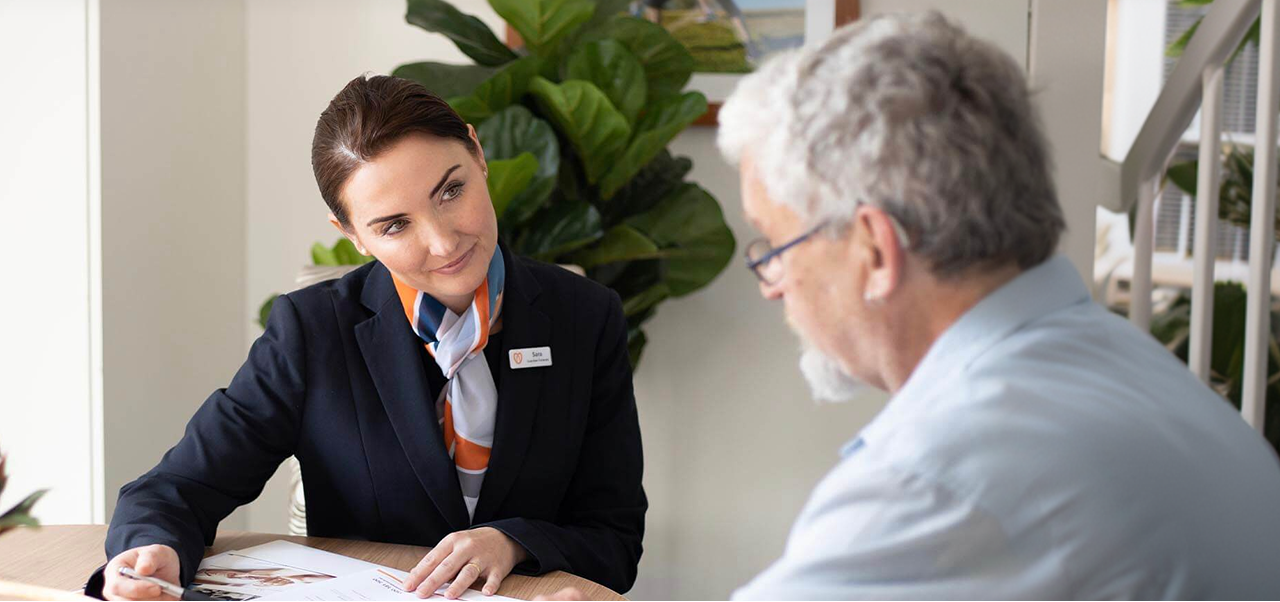
Whether you need us now or want to plan ahead, we're ready to support you 24/7.